

1.5 GHz AC
PCBITE-7008
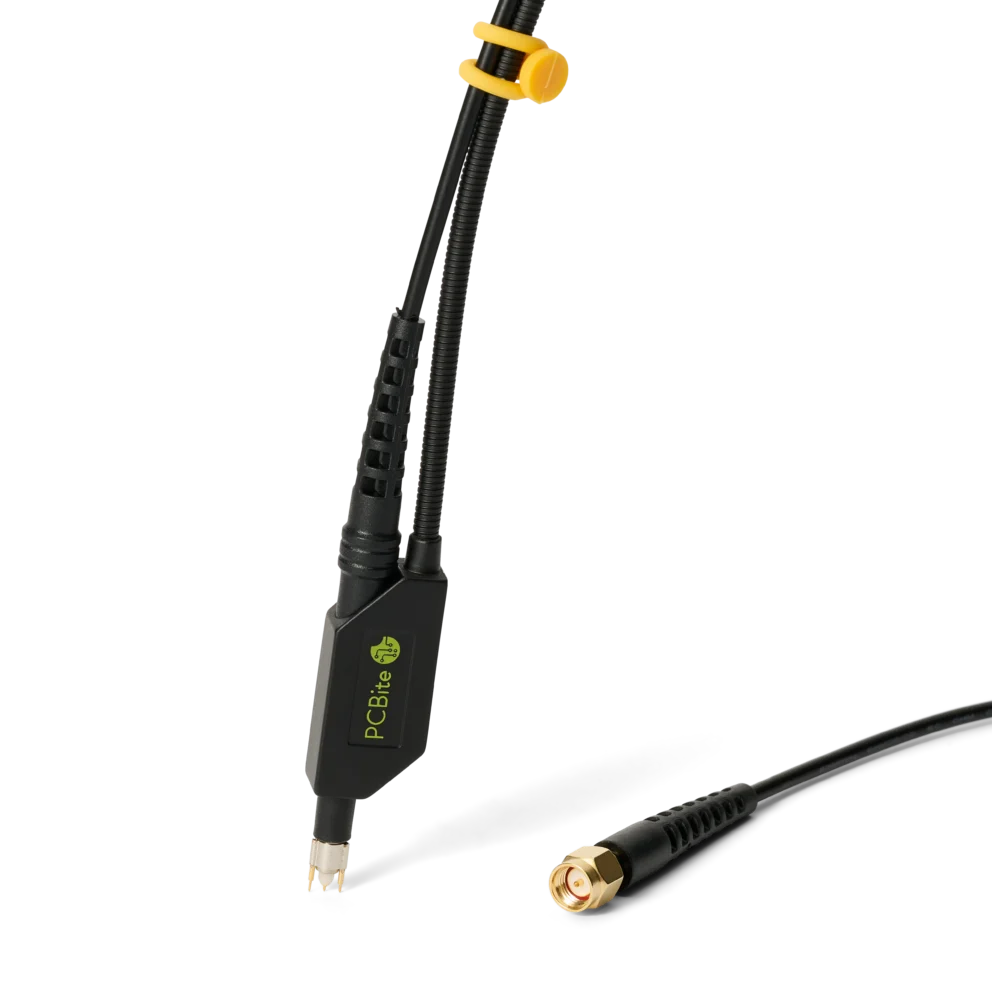
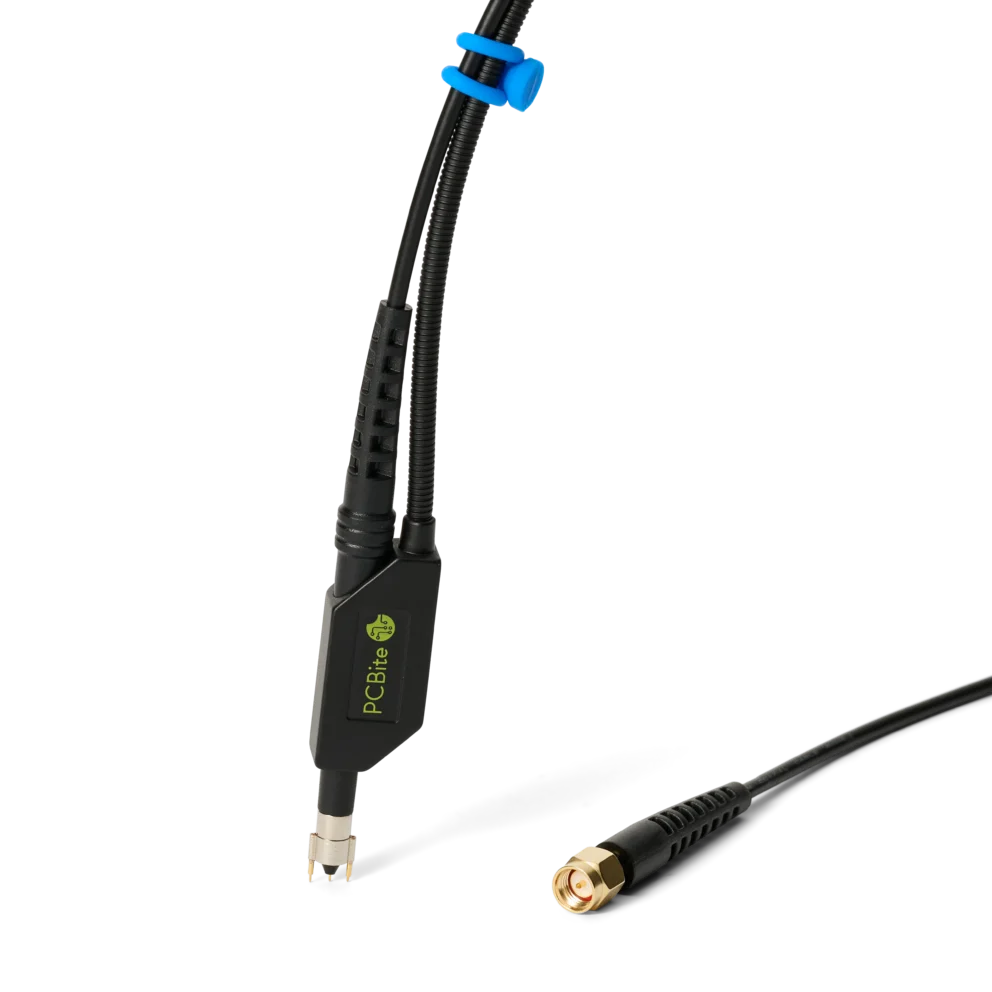
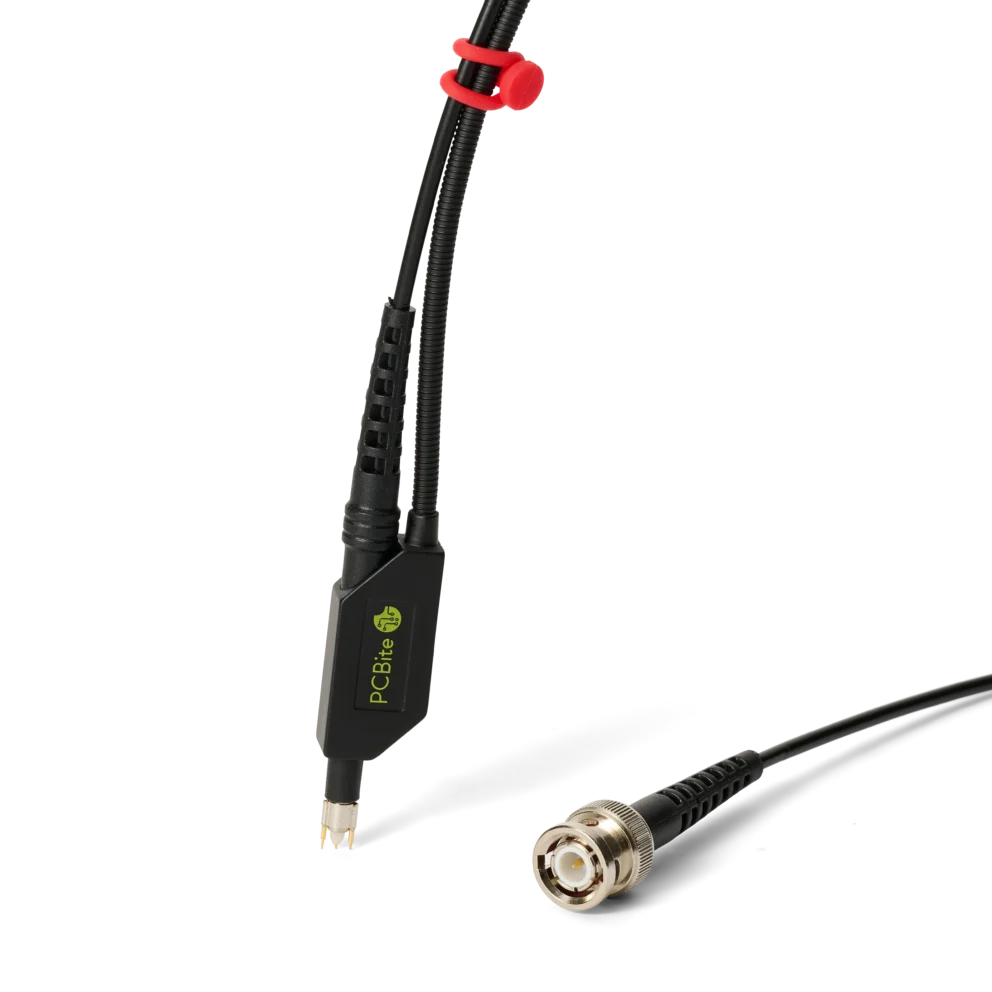
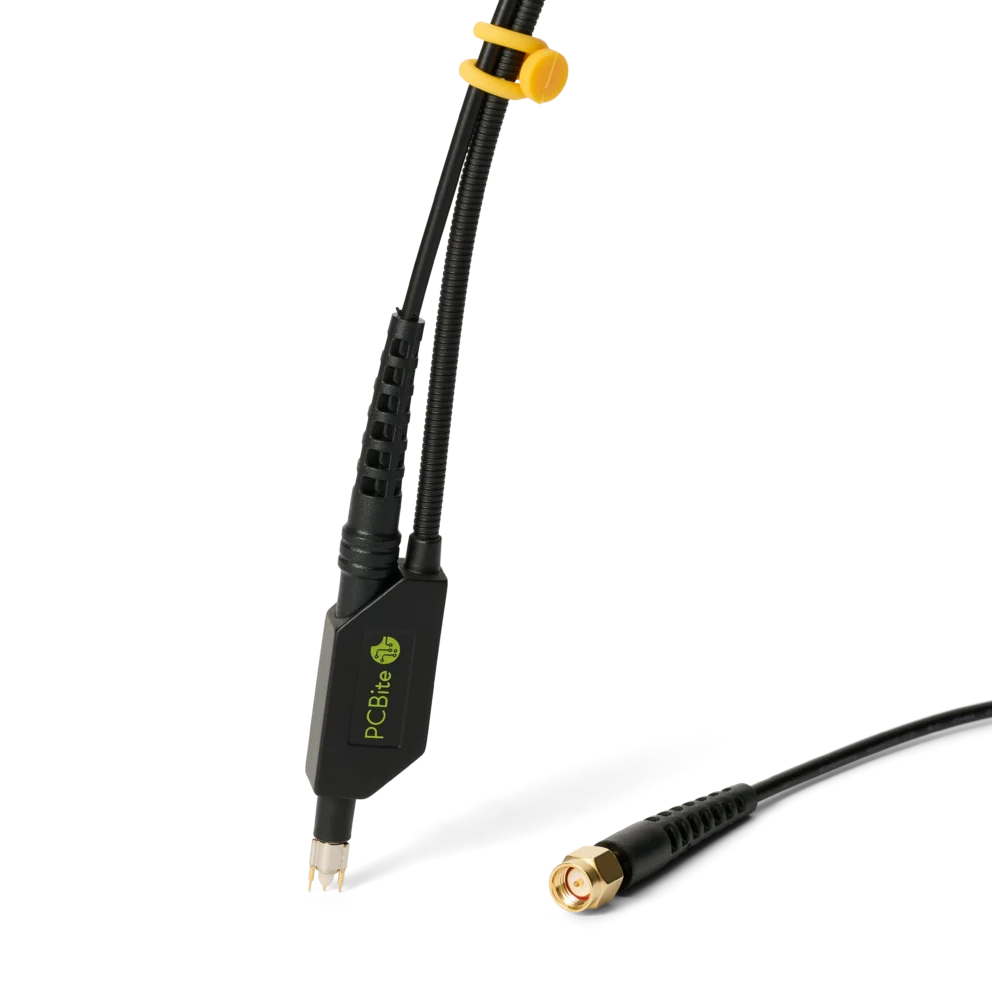
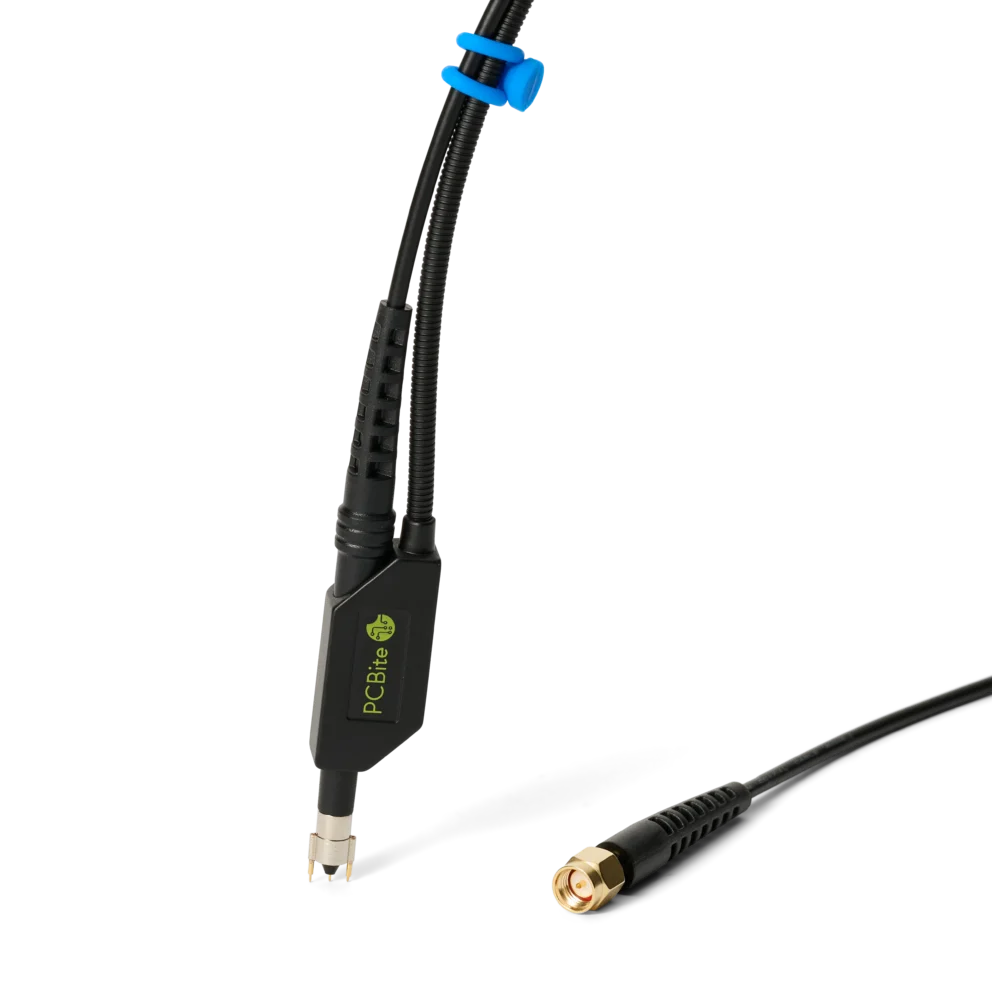
SQG15-AC – 1.5 GHz low impedance 10:1 passive AC probe
169 €
In stock
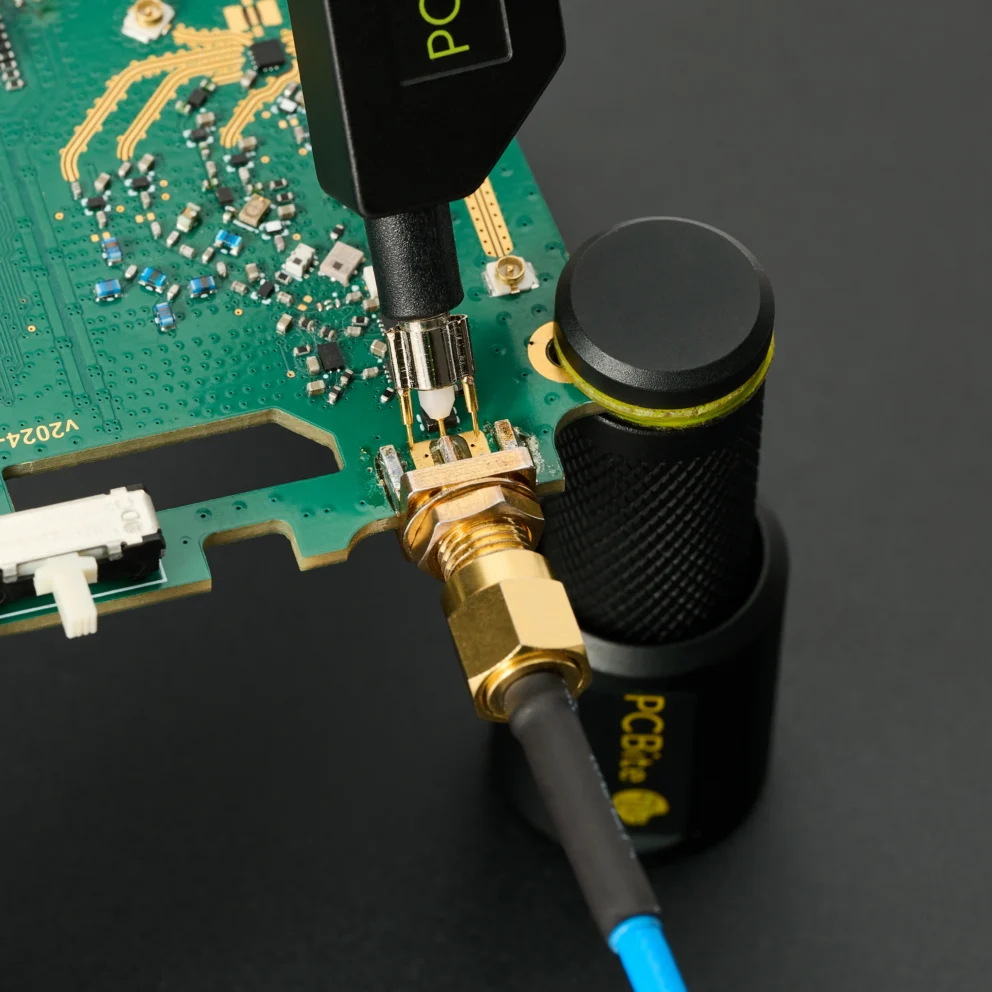
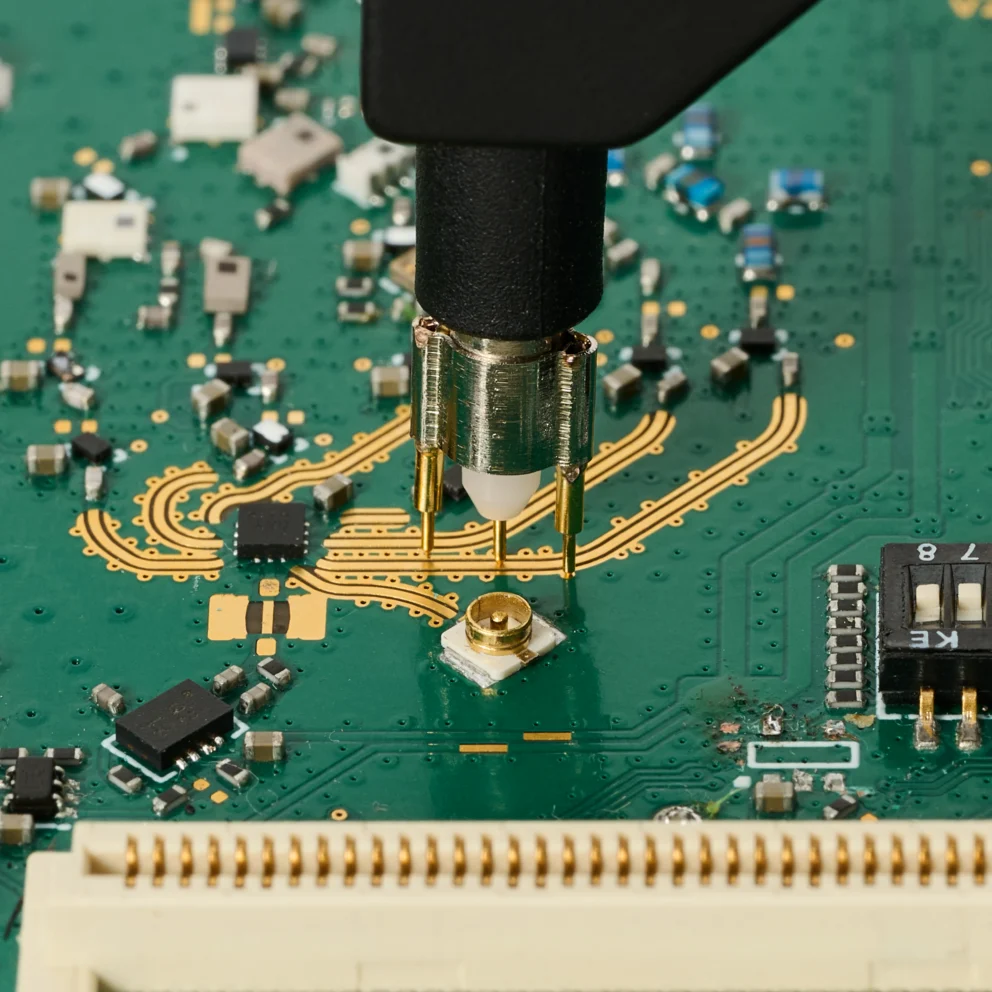
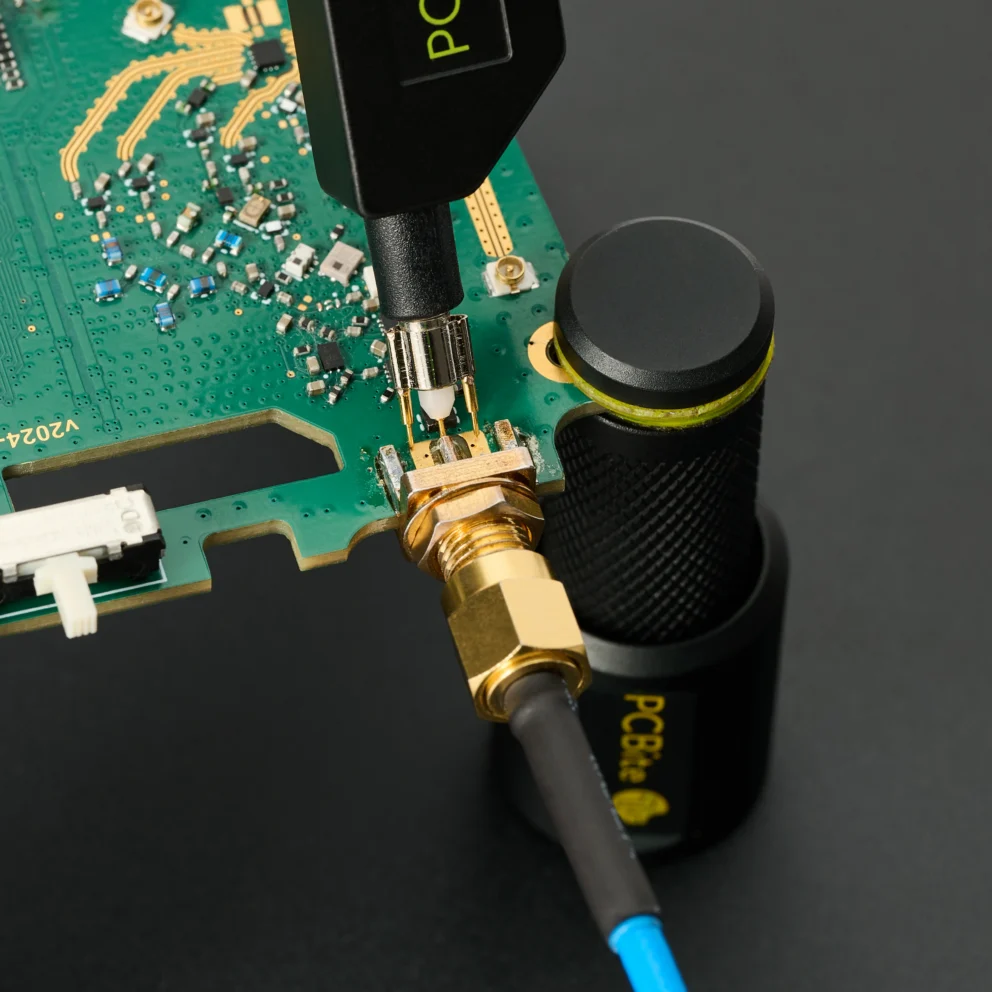
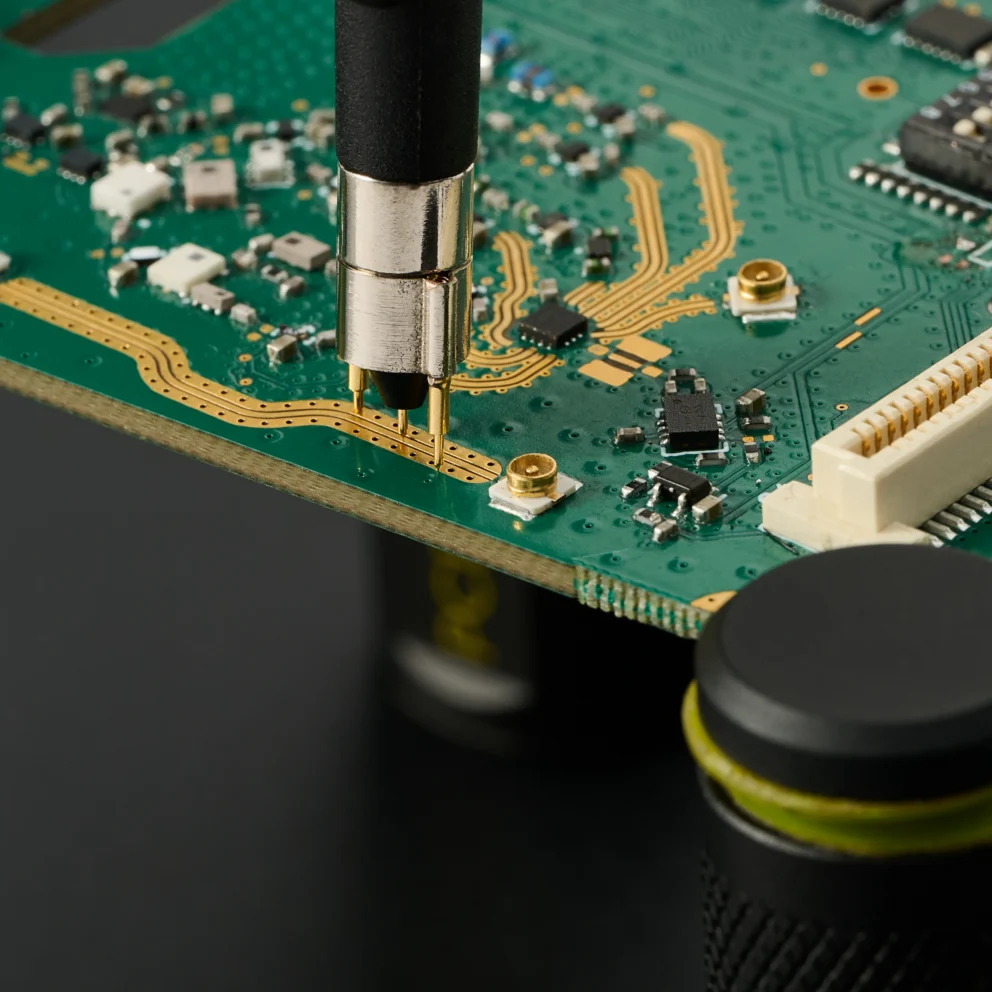
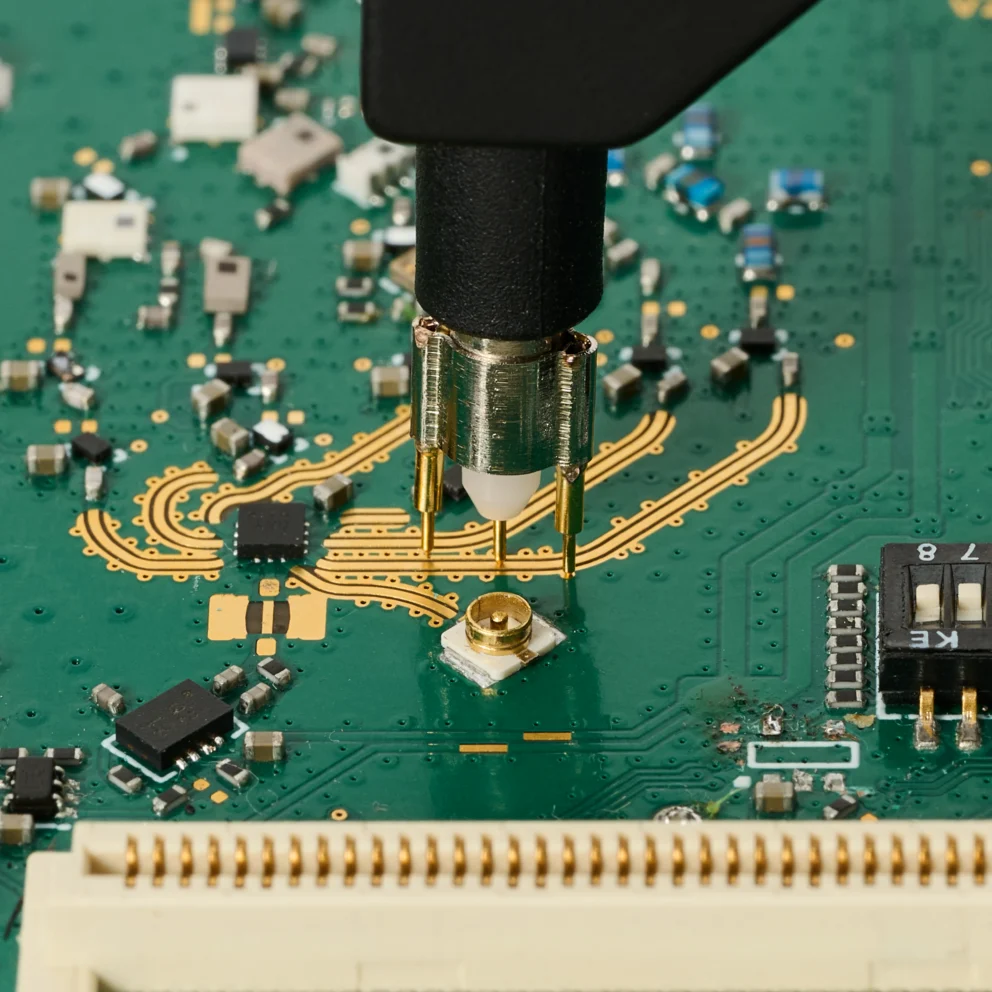
Probe RF traces, matching networks and PCB-mounted RF connectors without soldering a coax pigtail. Connect to a spectrum analyzer, receiver or power meter, and measure the signal where it actually runs.
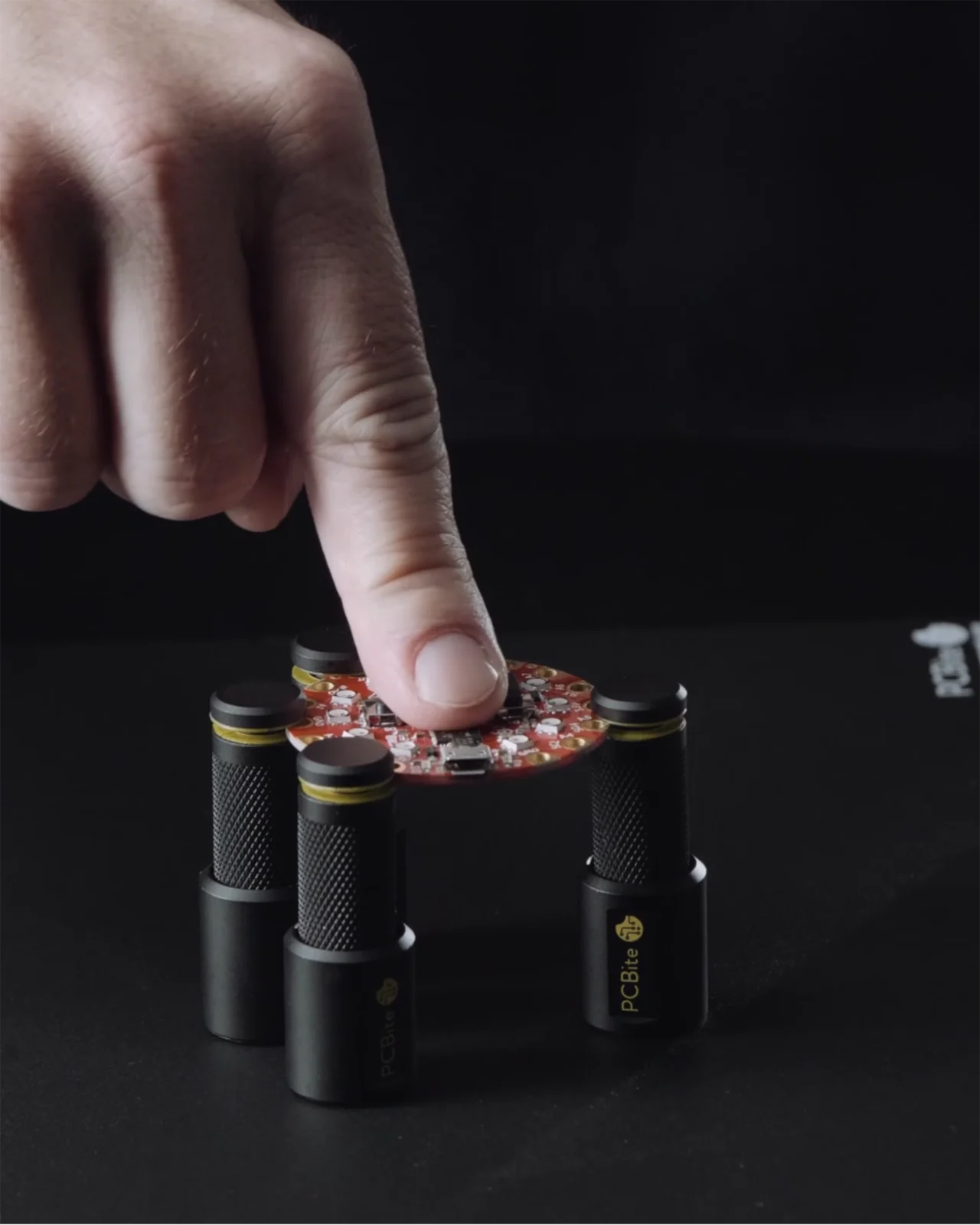
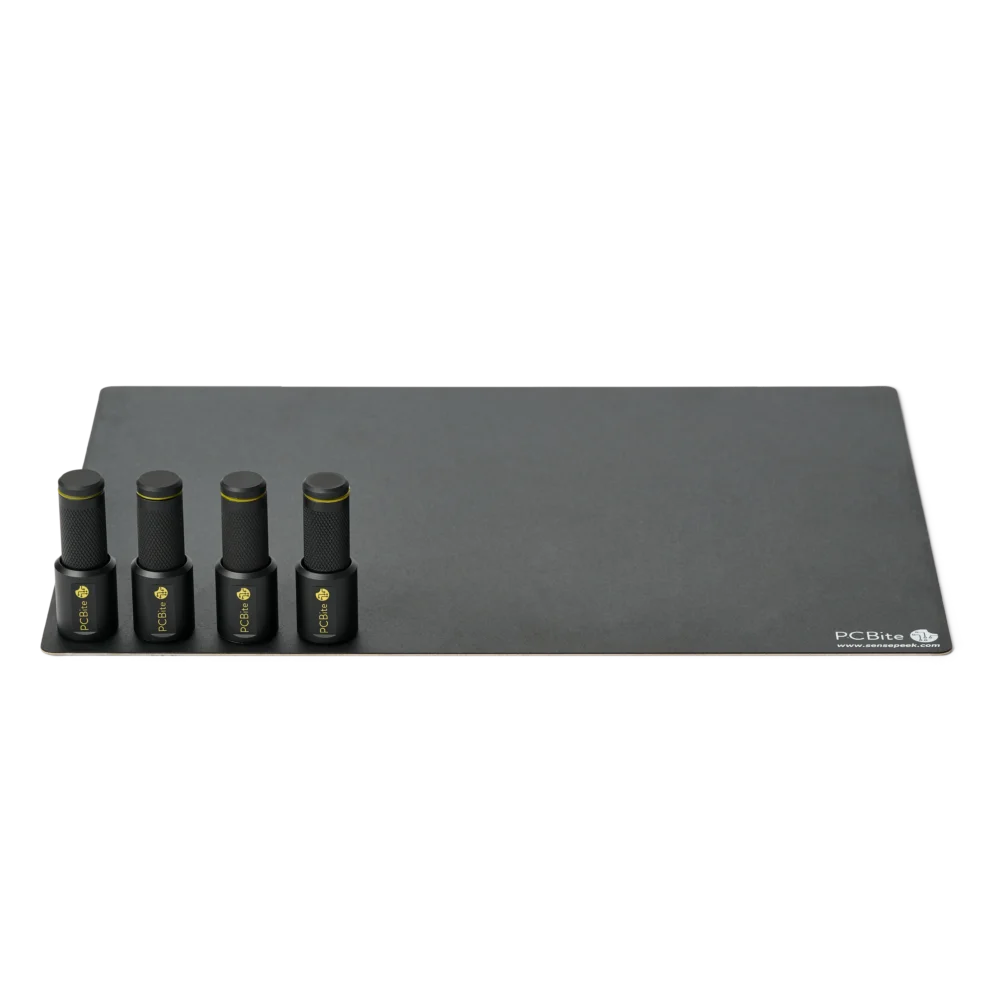
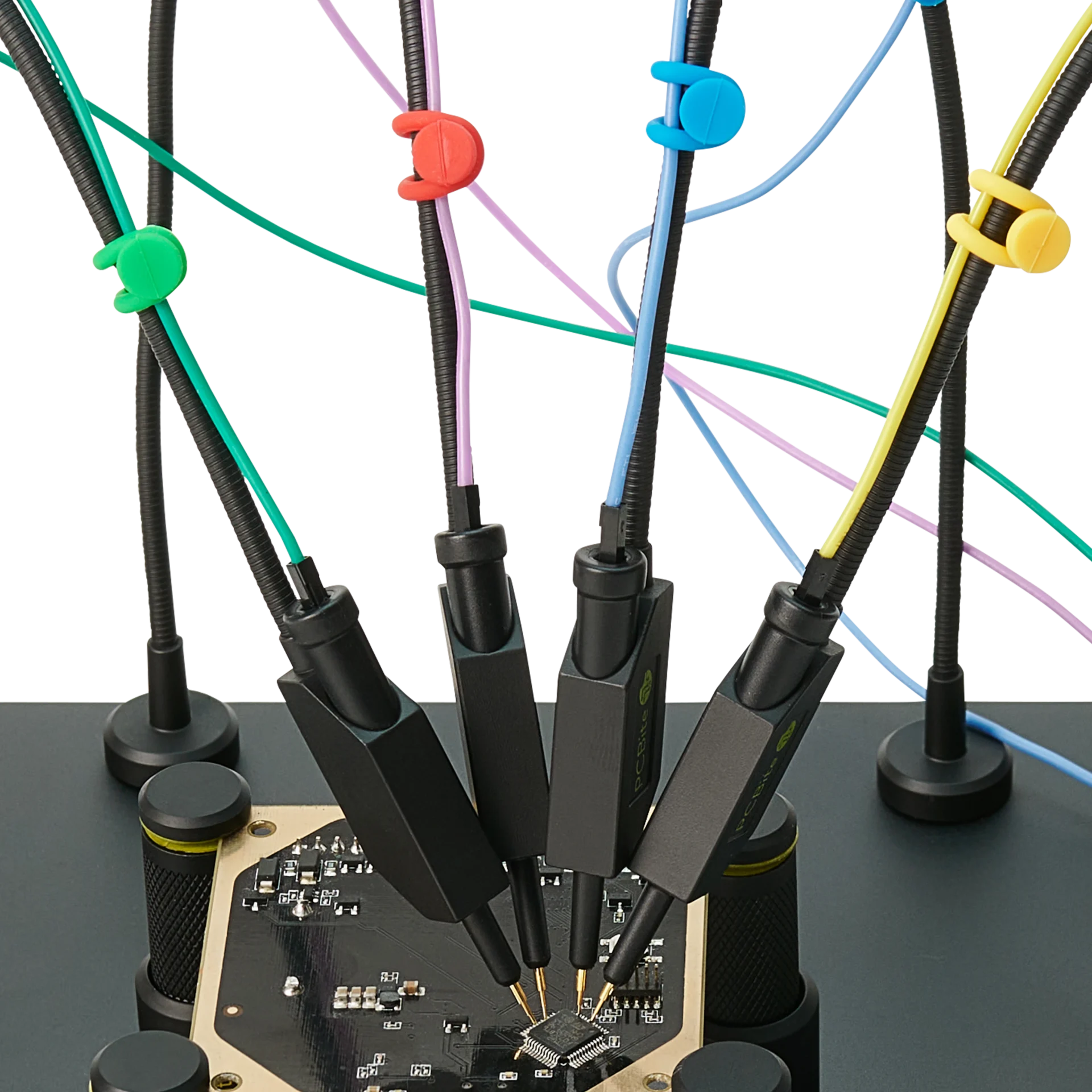
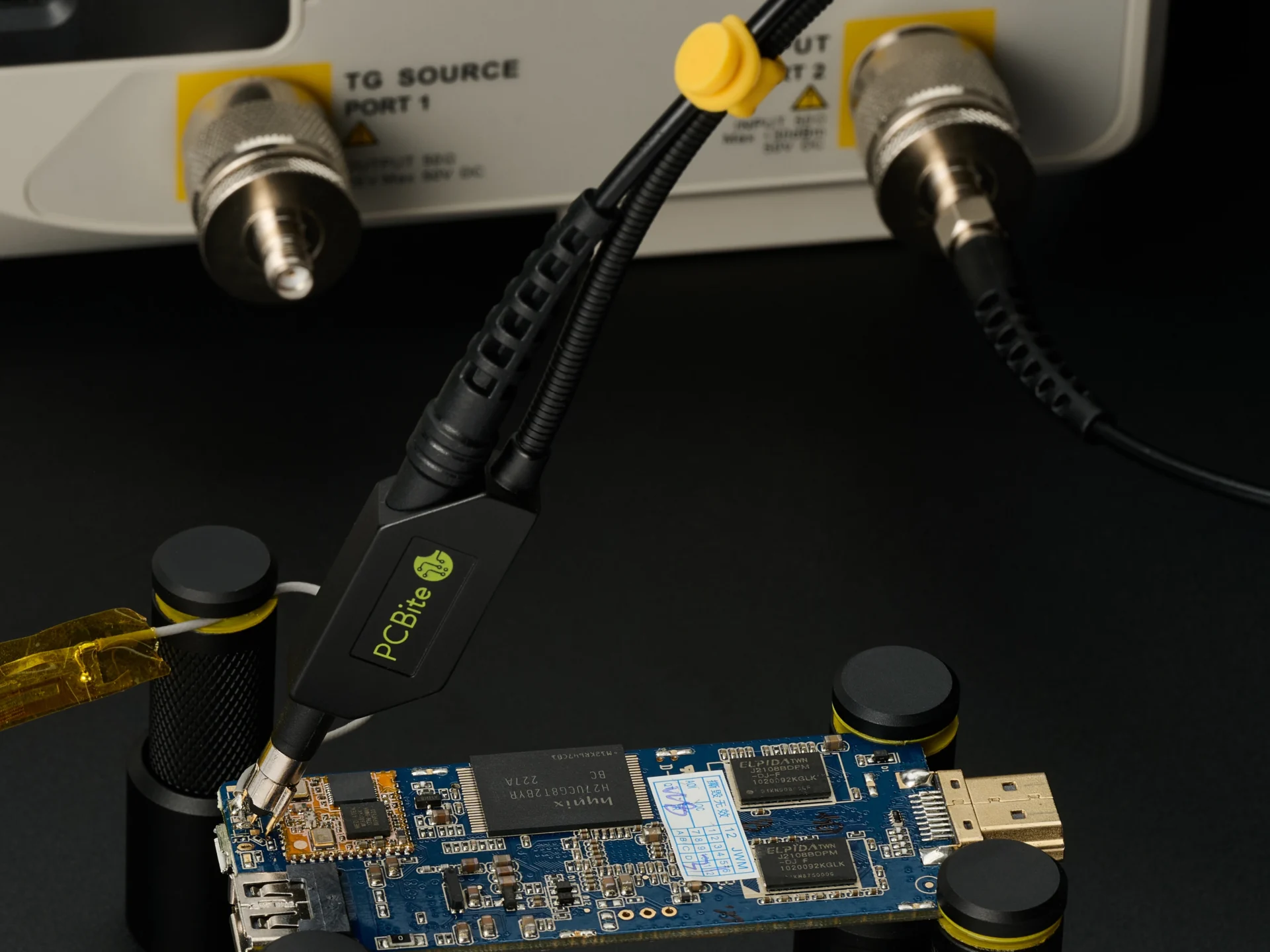
RF measurements are only useful if you can repeat them. A handheld probe moves between readings, and a soldered connection changes the circuit you are measuring. SQG probes are handsfree and stay on the test point once placed, with no soldering and no complex fixtures, so the next measurement matches the last. Just position the probe and measure.
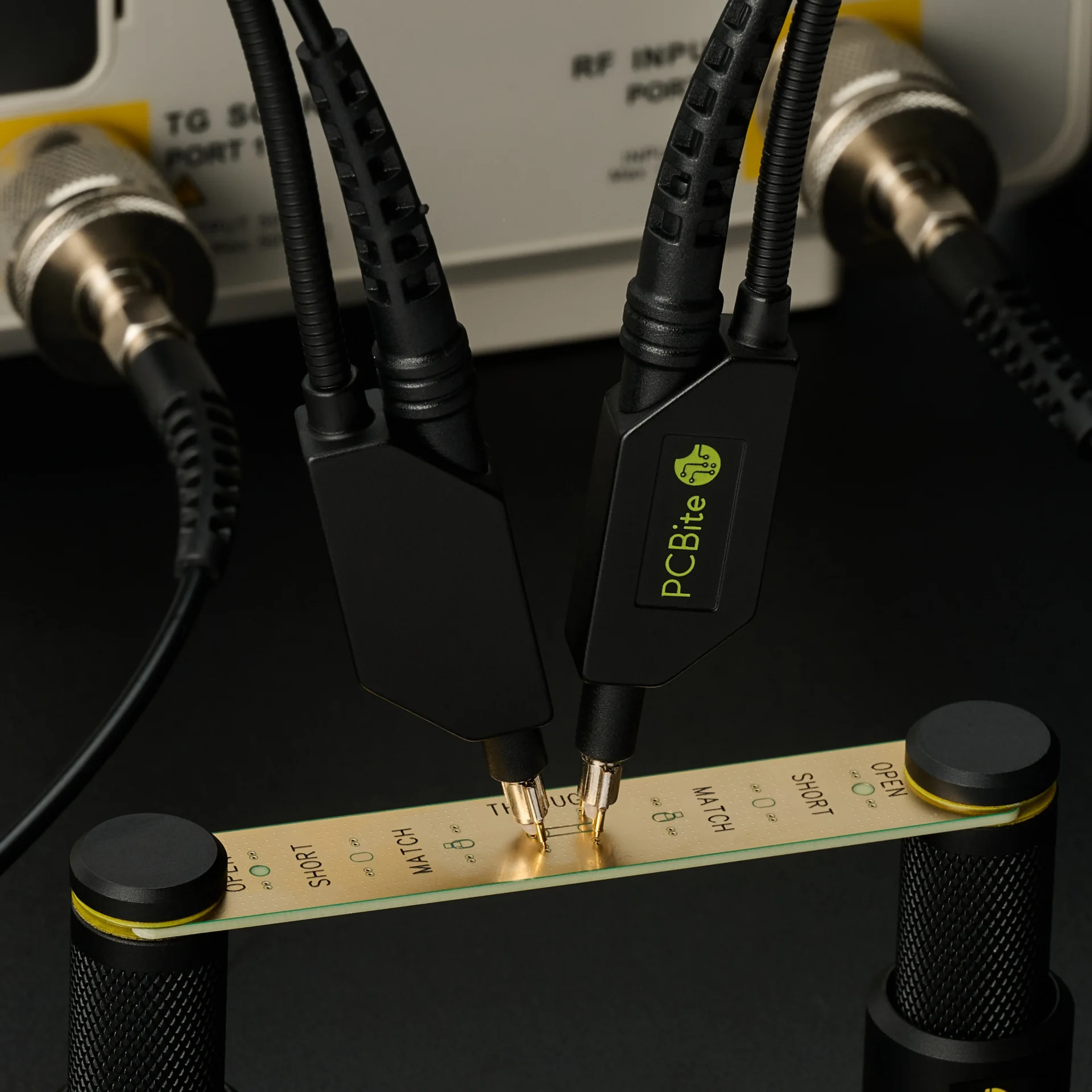
Flat response helps maintain amplitude accuracy as frequency increases. SQG probes stay within ±0.5 dB to 1.5 GHz for SQG15, 2.7 GHz for SQG30 and 5.2 GHz for SQG60.
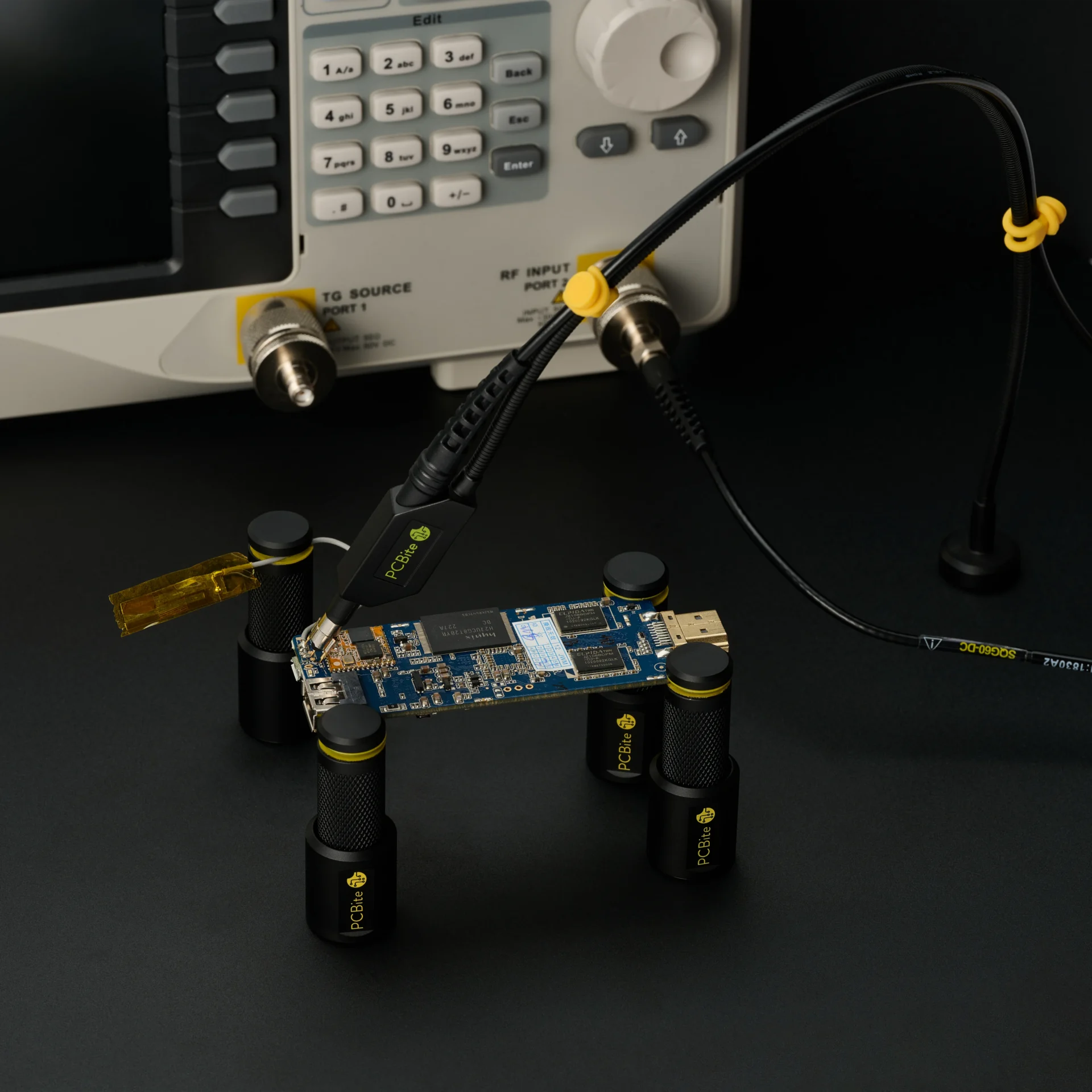
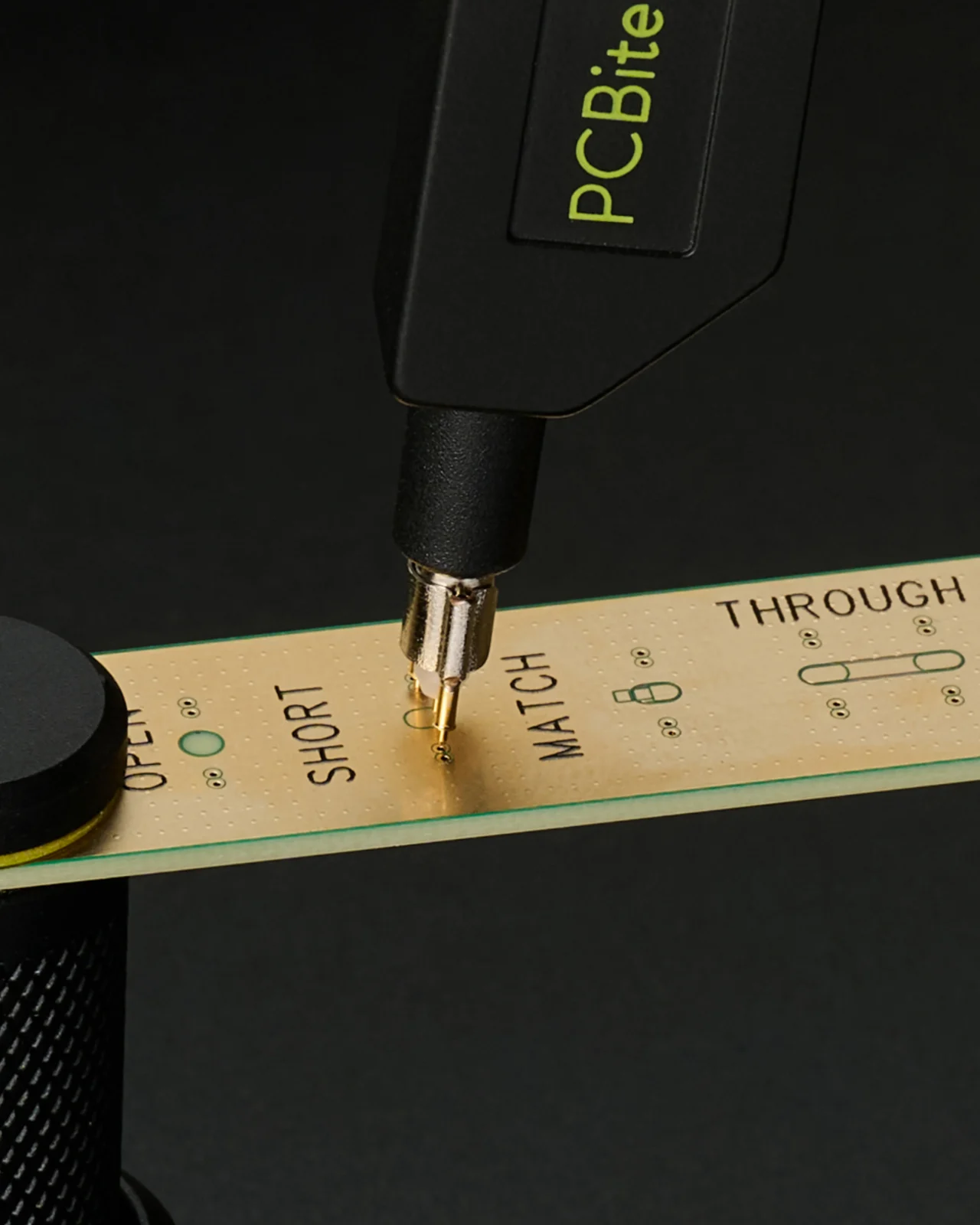
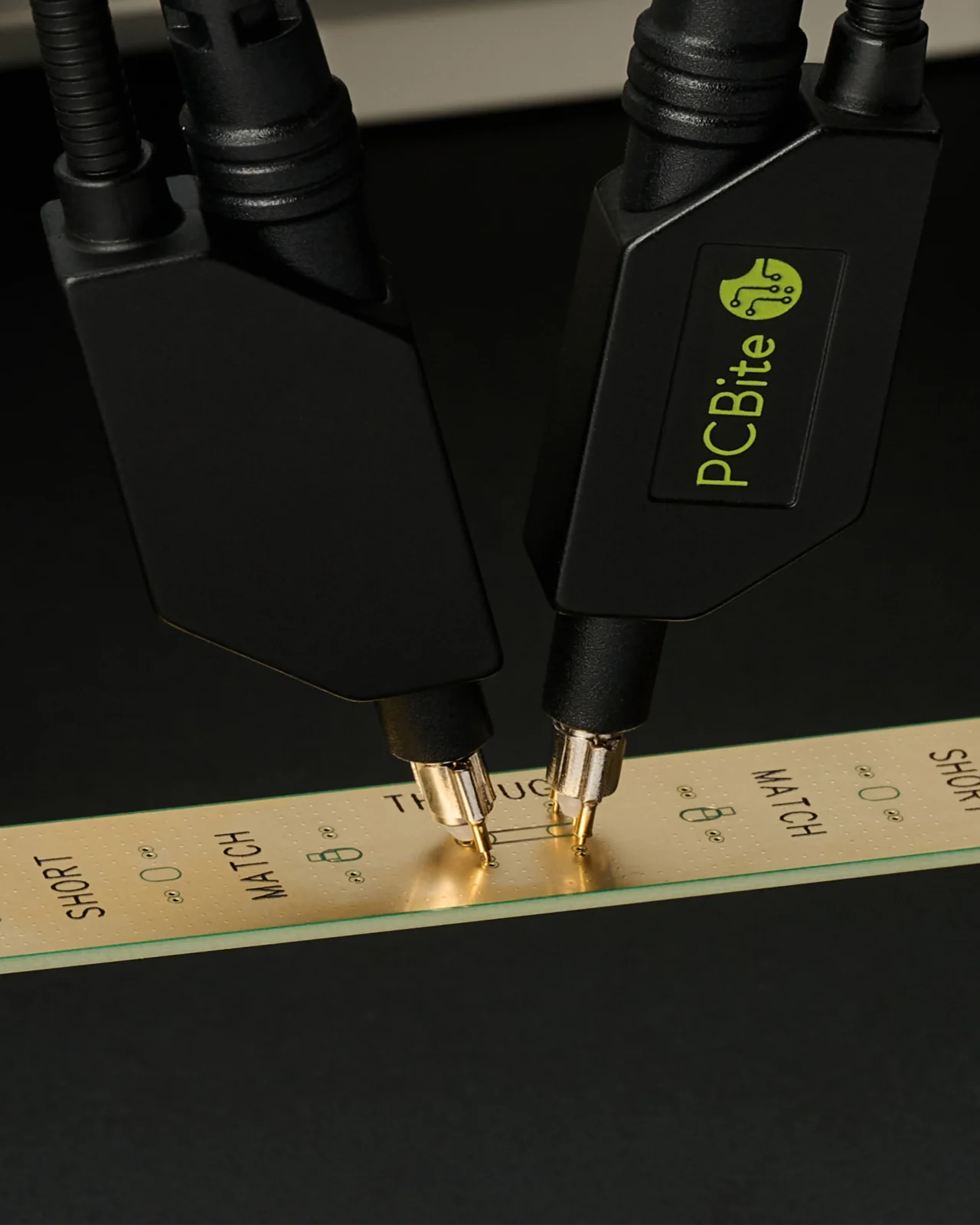
Every SQG probe is measured as part of production verification, with probe-specific S-parameter data stored in Probe Cloud. Enter the probe ID from the cable to access the measured response of that specific probe for further analysis or correction.
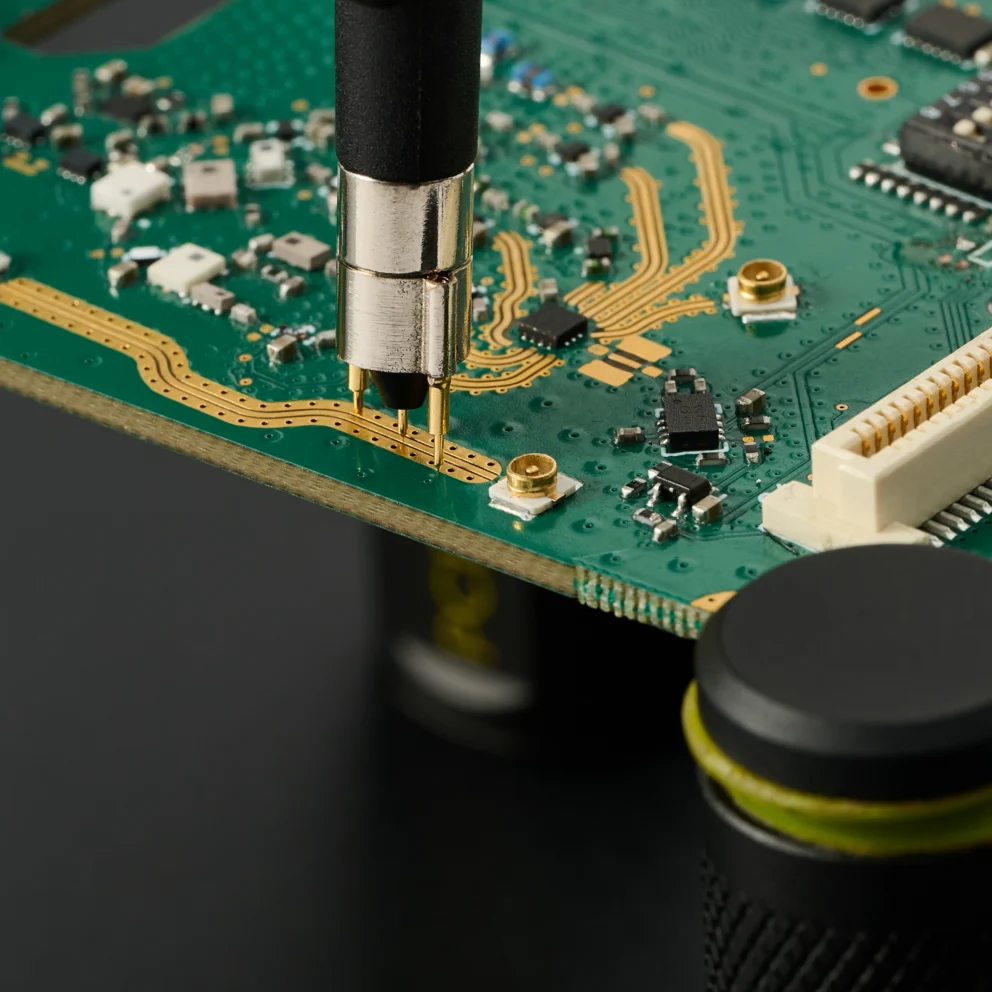
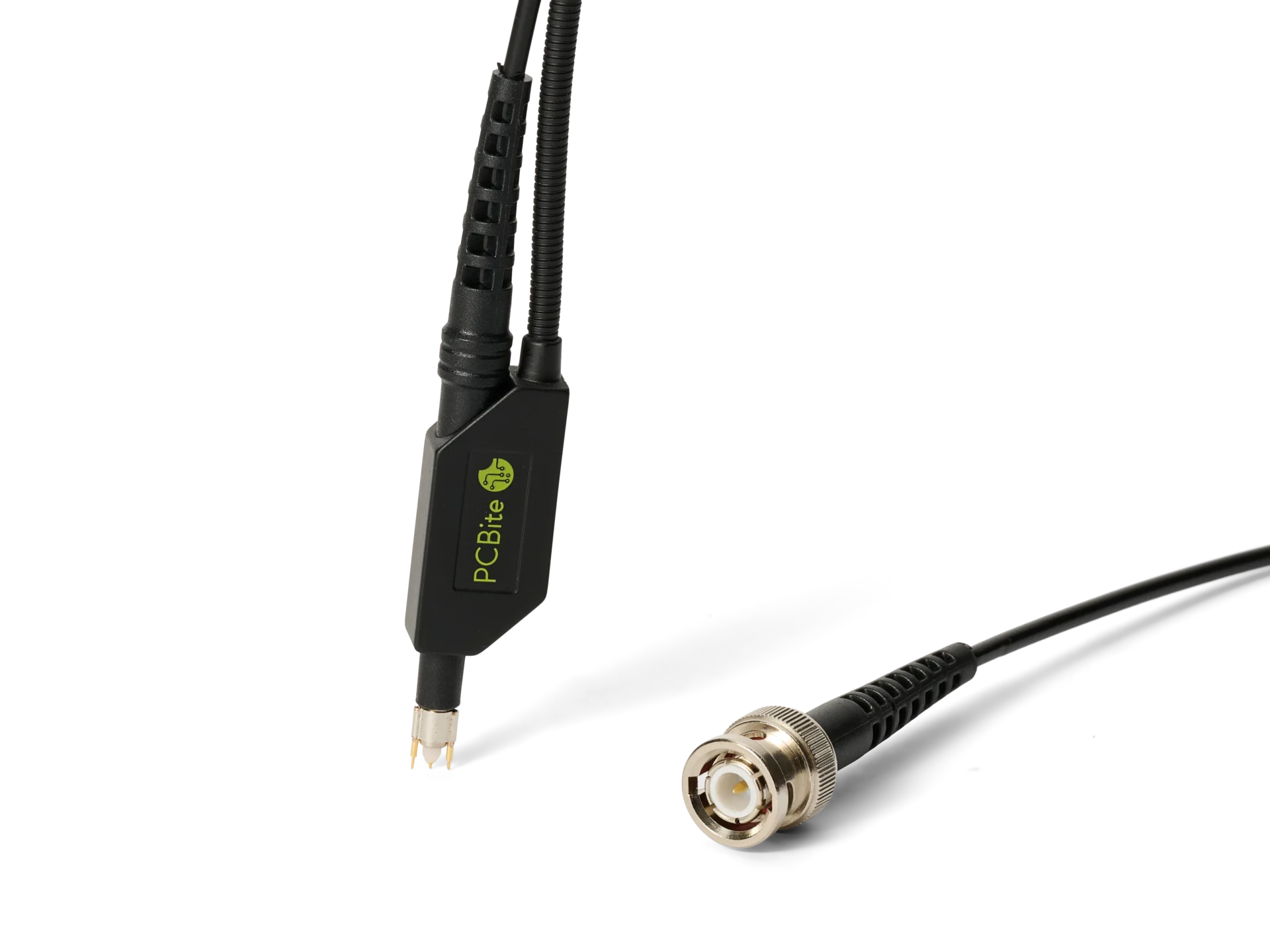
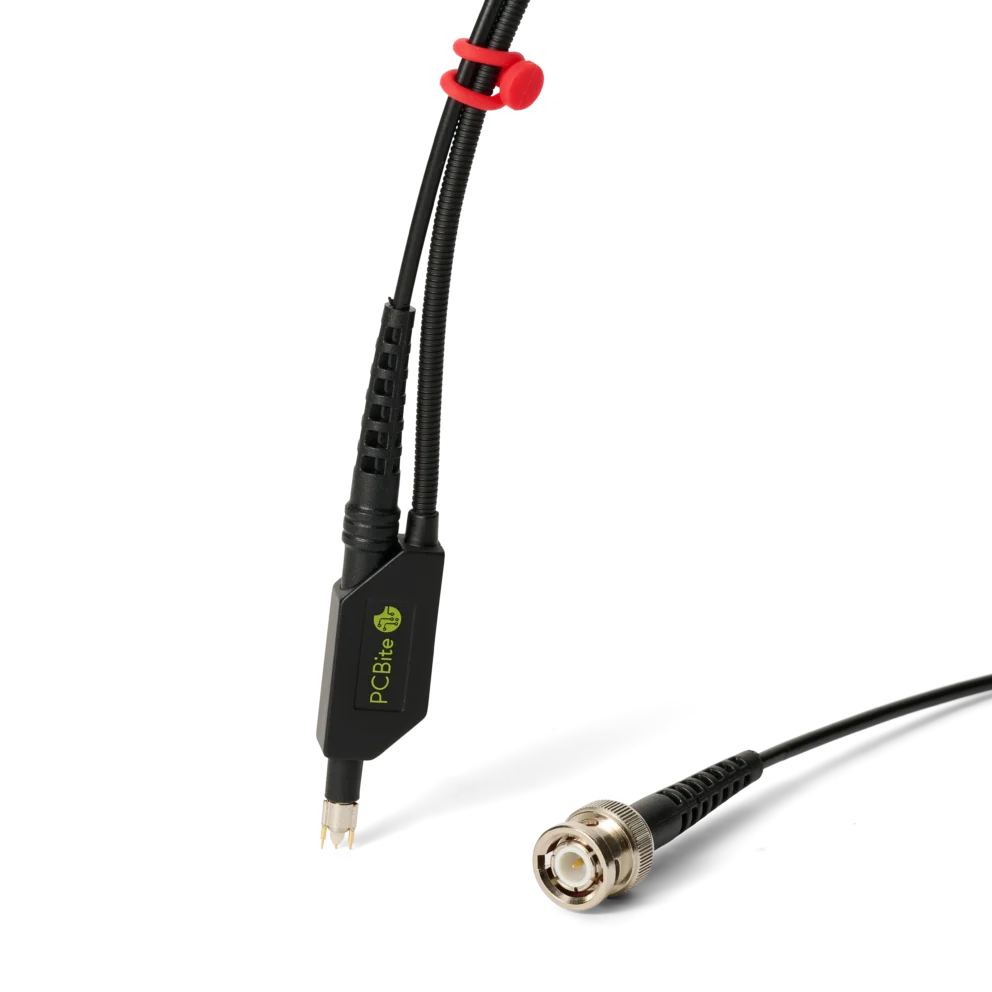
High-end probes use a spring-loaded signal needle. The same principle is applied to ground through patented dual spring-loaded ground needles, improving contact stability and keeping the ground path short. Dual grounding is used across the range and becomes essential above 2.7 GHz for reliable handsfree measurements.

Know exactly where the needles land. The dual ground uses fixed geometry, so the signal and ground needles always land at known distances. SQG15 and SQG30 use 2.3 mm (0.09 in) from signal to ground and 4.6 mm (0.18 in) between the ground needles. SQG60 uses 3.0 mm (0.12 in) and 6.0 mm (0.24 in). The drawings show the exact needle geometry for each probe and ground option, whether you use existing pads, exposed copper or dedicated test points.
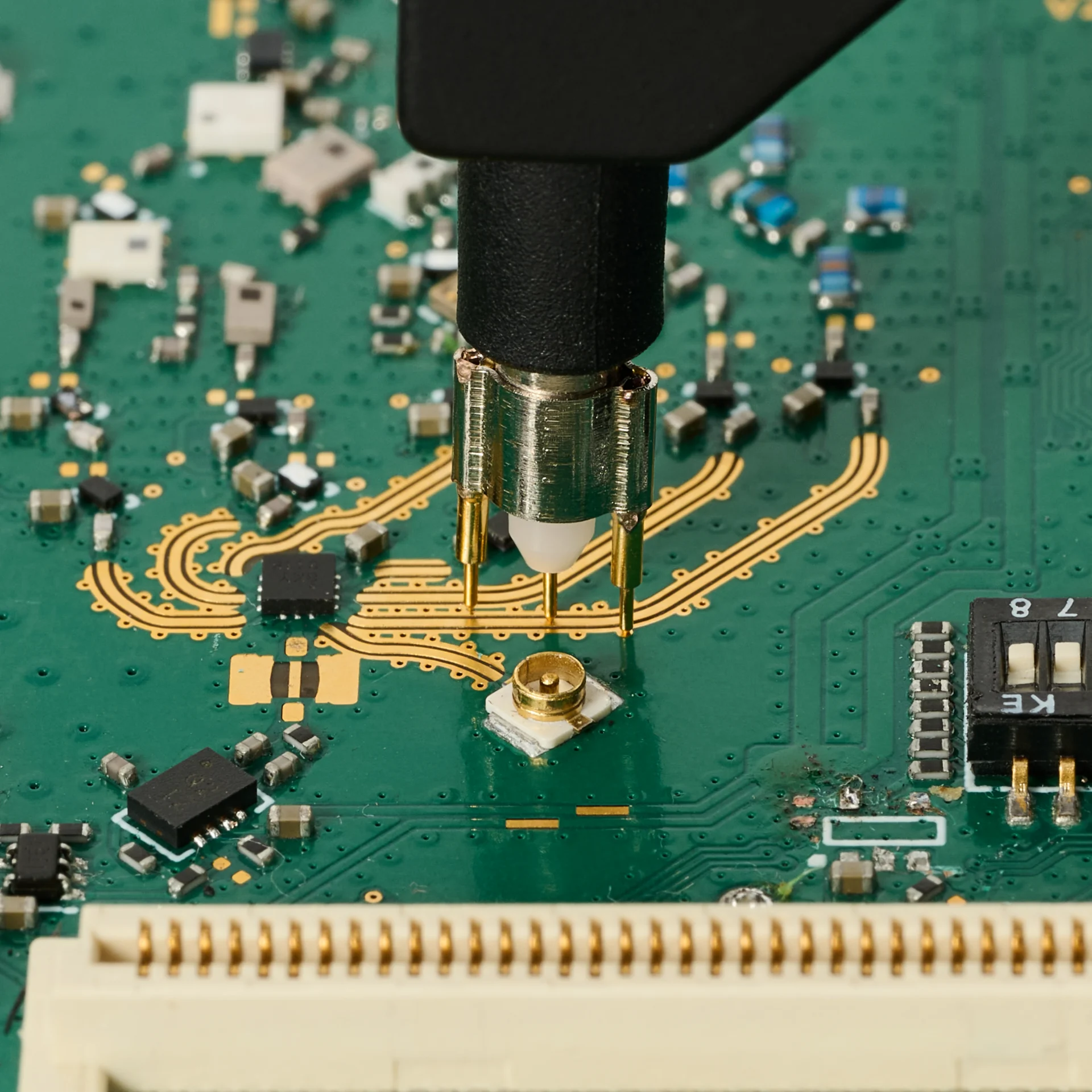
Low tip capacitance minimizes loading of RF traces and high-speed signals, helping preserve the signal you are actually trying to measure.
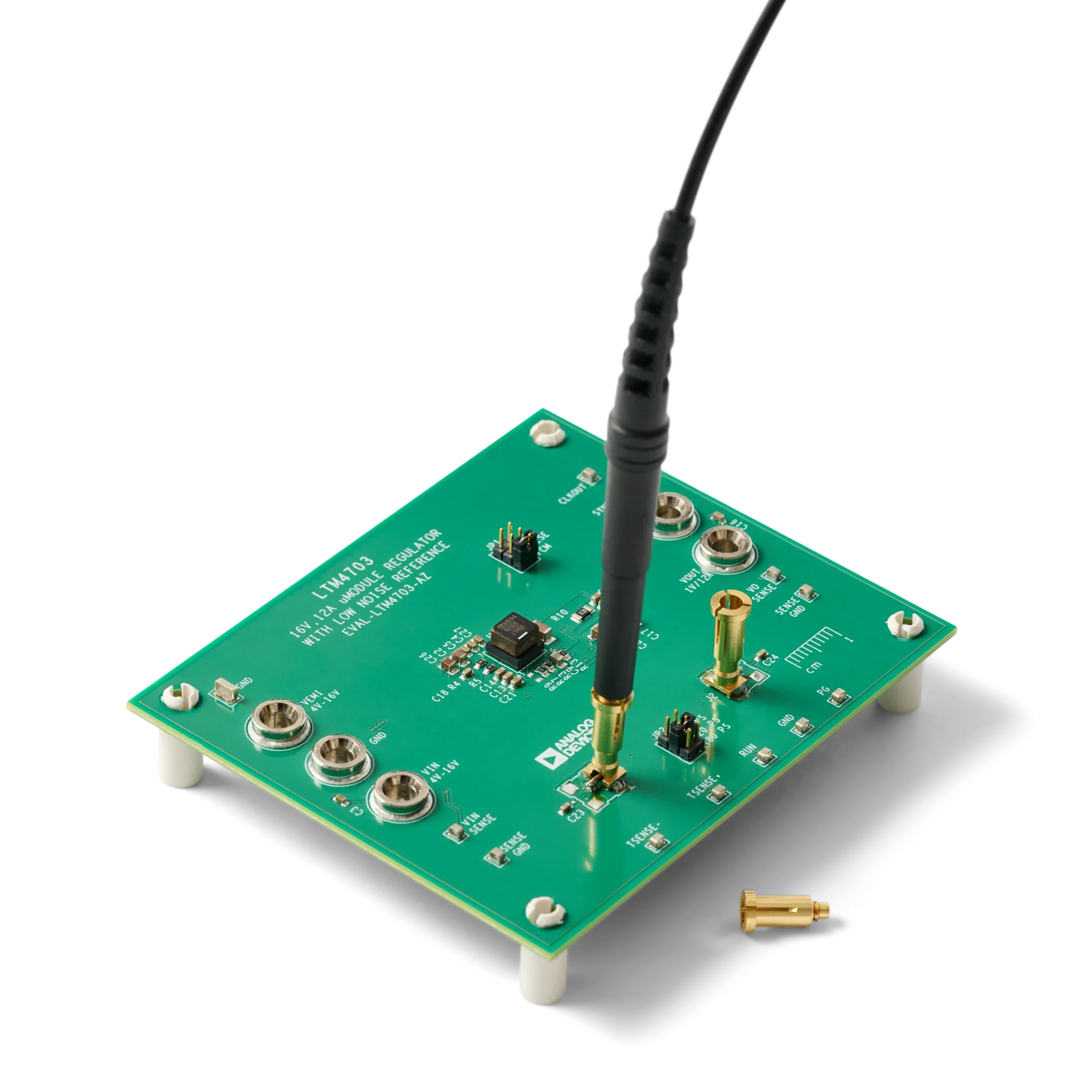
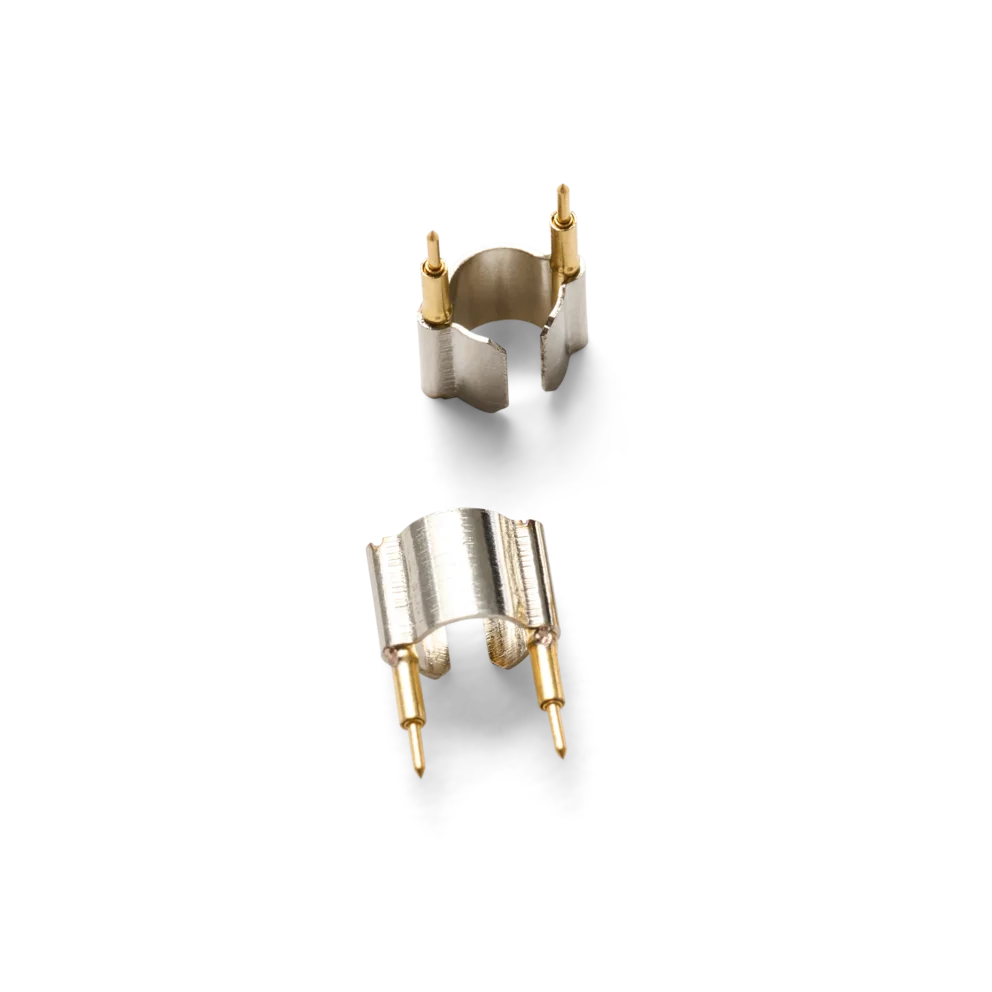
The MMCX adapter connects the probe signal and ground directly to an MMCX connector on the board. The ground path becomes as short as it gets, which keeps noise pickup to a minimum when you verify power supplies, analog circuits and other sensitive designs. For the SQG series, two versions are available, sold separately: one for SQG15 and SQG30, one for SQG60.
Bandwidth with MMCX adapter (−3 dB):
SQG15: full bandwidth, >1.5 GHz
SQG30: about 2.6 GHz
SQG60: about 3.6 GHz
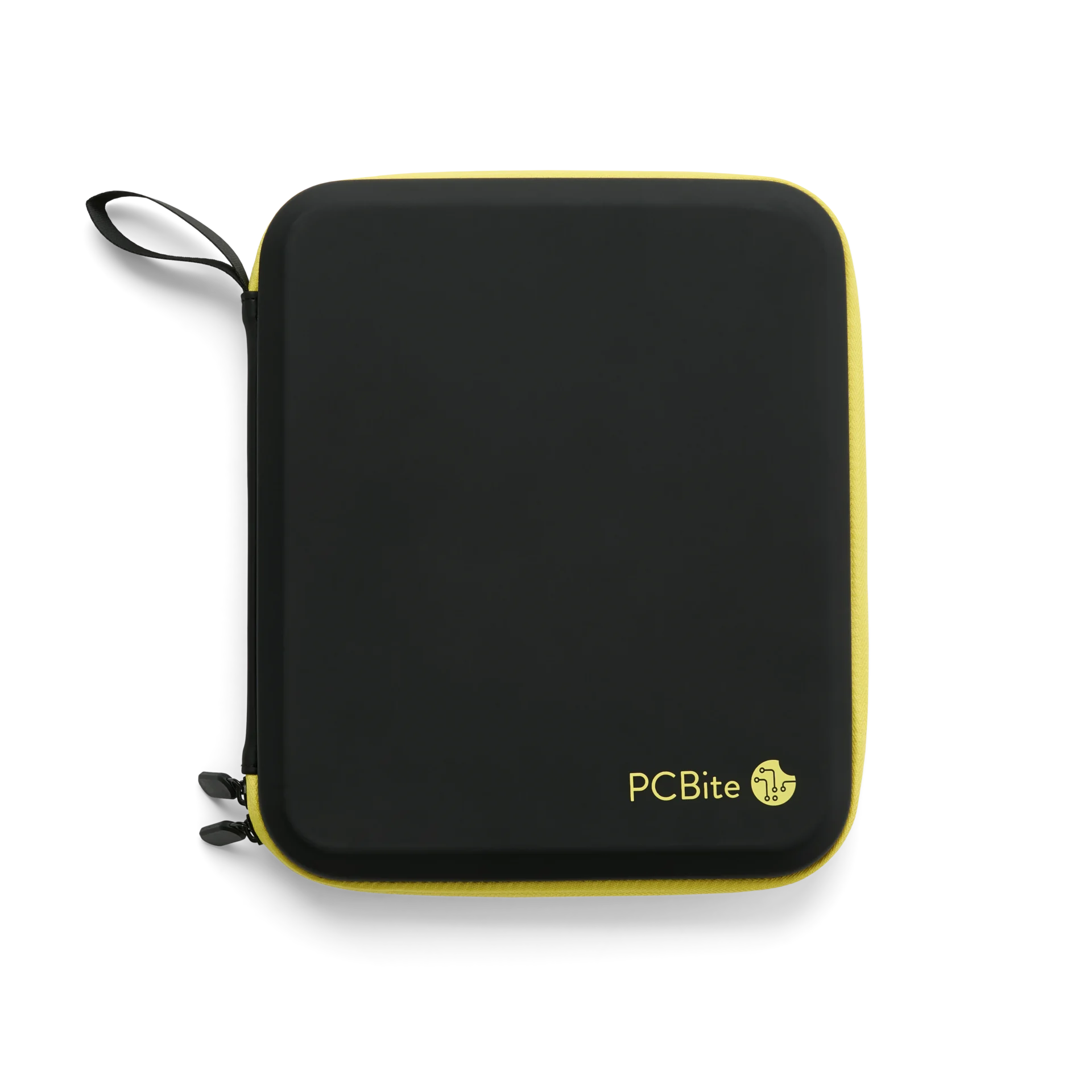
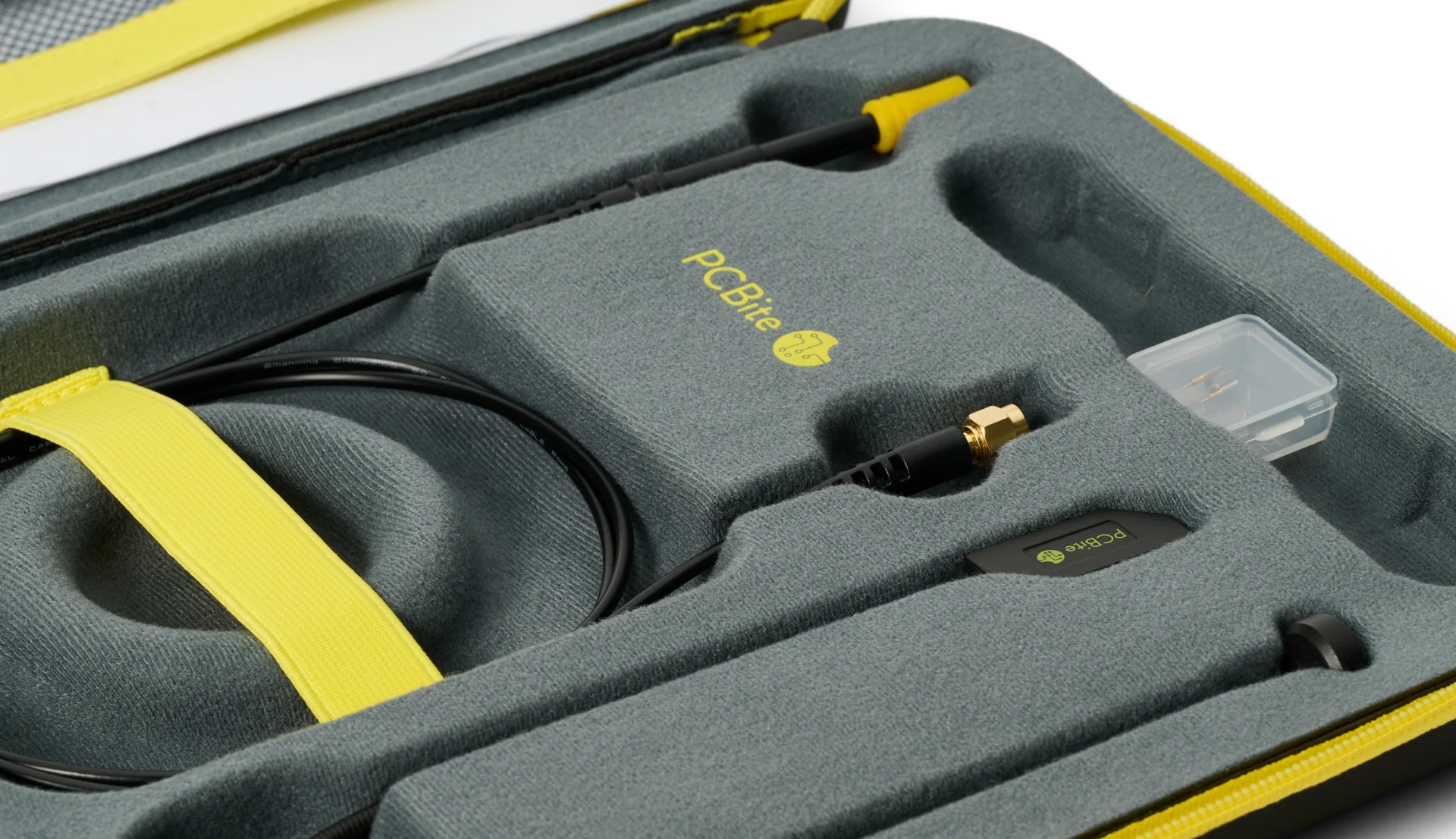
Every SQG probe comes in a fitted EVA case, made to protect it for as long as you use it. Pack the probe and its accessories after a measurement, and everything is in place for the next one, whether it stays in the lab or travels with you.
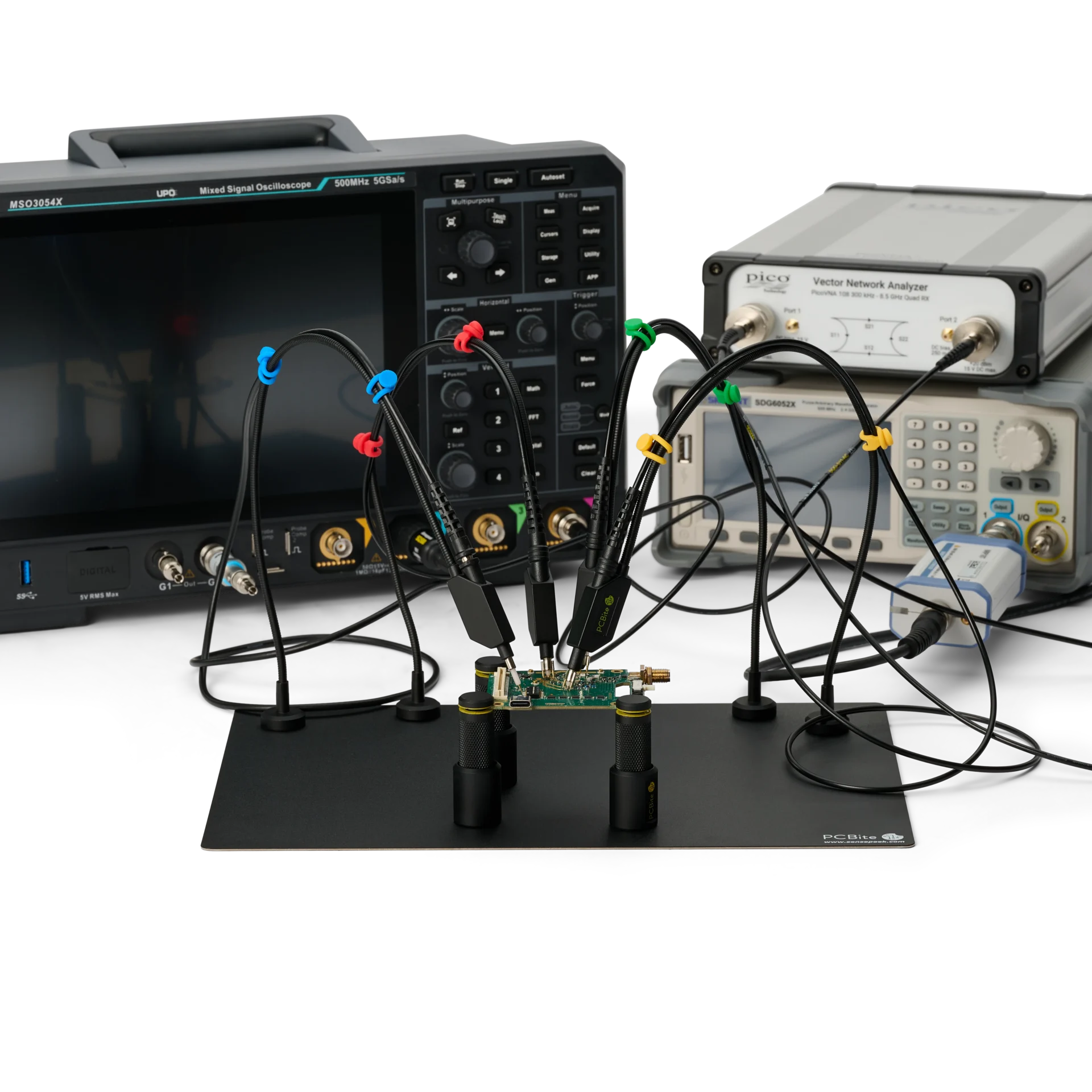
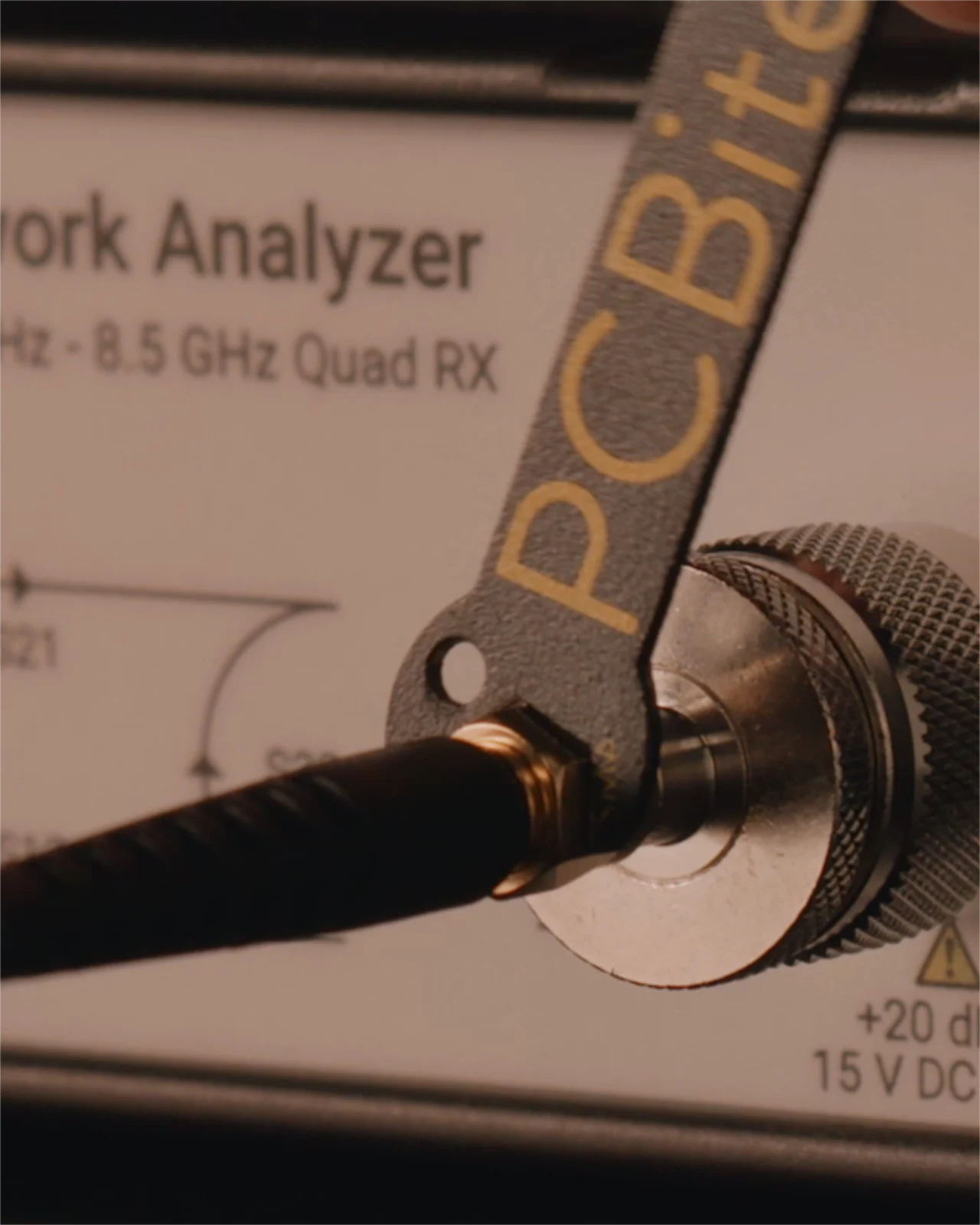
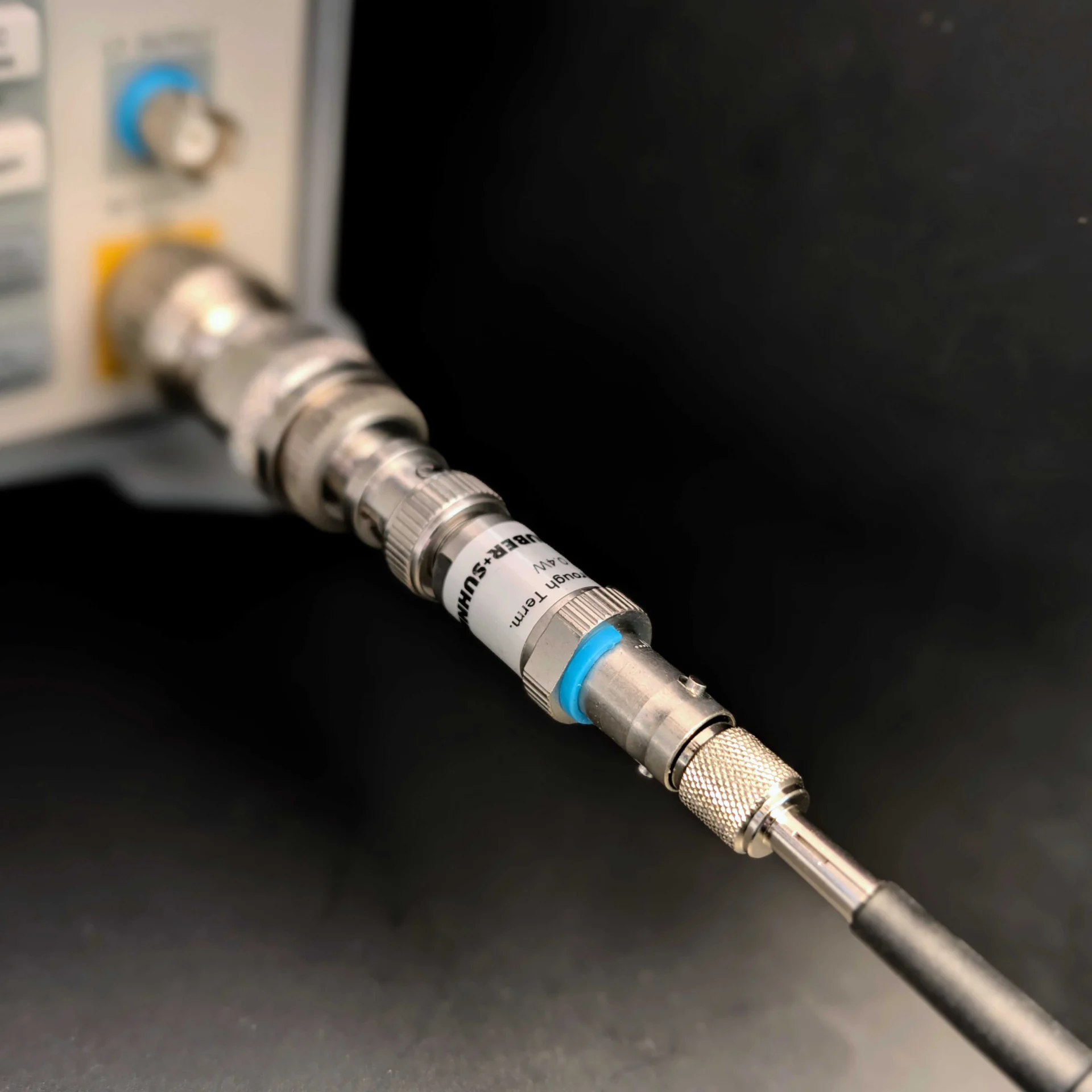
SQG probes work with measurement instruments featuring a 50 Ω input, including oscilloscopes, sampling oscilloscopes, network analyzers, spectrum analyzers, receivers and power meters.
A DC probe loads the node with its tip impedance at DC too, so use it on low impedance points such as 50 Ω lines, terminated outputs and supply rails.
Du använder en föråldrad webbläsare. Alla funktioner fungerar inte i din webbläsare. Var vänlig uppgradera din webbläsare för att förbättra din upplevelse och öka din säkerhet.